Creating an effective family command centre is all about designating one central, high-traffic spot in your home to manage schedules, mail, and key information. This single hub is your secret weapon against household chaos, streamlining daily routines and ensuring everyone in the family is on the same page. It's less about having a picture-perfect wall and more about building a functional system that truly serves your family's needs.
For over two decades, I've helped families transform cluttered corners into productivity powerhouses. It's one of the highest-impact changes you can make. In this definitive guide, we'll move beyond just pretty pictures and dive deep into creating a family command centre that actually works. We'll cover everything from picking the perfect location and essential components to customising it for your kids' ages and, most importantly, keeping it clutter-free for the long haul.
The Foundation: Planning Your Perfect Command Centre
Before you buy a single bin or wall organiser, a little planning goes a long way. The success of your command centre hinges on three things: understanding its purpose, choosing the correct location, and making it work for the space you have.
What Exactly is a Family Command Centre (and Why You Need One)?
Think of it as the "mission control" for your family. It's a dedicated space, big or small, that corrals all the moving parts of family life. At its core, a command centre solves common household frustrations:
- "Where are the permission slips?" It provides a home for important papers.
- "What time is soccer practice?" It displays the family schedule at a glance.
- "I can't find my keys!" It has a designated spot for essential daily items.
- "What's for dinner this week?" It can house your meal plan, saving you from the 5 PM scramble.
A well-designed hub doesn't just organise stuff; it organises your life. It reduces mental load, fosters independence in kids (they can check the schedule themselves!), and cuts down on the constant back-and-forth questions that drain your energy.
The Golden Rule: Choosing the Best Location
The number one mistake I see families make is placing their command centre in an out-of-the-way location. If it's not in your natural path, it won't get used. The best spot is always in a high-traffic area that you and your family pass through multiple times a day.
Consider these prime locations:
- The Kitchen: The heart of most homes, making it the top choice. A side wall, the side of a pantry, or even the refrigerator door can work just as well.
- The Mudroom or Entryway: This is a natural drop-zone for backpacks, mail, and keys, making it an ideal spot to intercept clutter before it spreads through the house.
- A Main Hallway: A wider hallway can be a great, underutilised space for a linear command centre.
Walk through your daily routine. Where do you naturally drop the mail? Where do the kids empty their school folders? Place your command centre at that intersection. That's the secret to making it stick.
Small Space? No Problem! Command Centre Ideas for Every Home
You don't need a giant, empty wall. Some of the most effective command centres are incredibly compact. The key is to think vertically.
- The Side of a Cabinet: Use magnetic or adhesive organisers on the side of a kitchen cabinet or refrigerator.
- Inside a Cabinet Door: The ultimate hidden command centre! Mount a small corkboard, a calendar, and a pen holder on the inside of a frequently used kitchen cabinet.
- A Narrow Slice of Wall: Even a 12-inch-wide strip of wall between a door and a corner can be transformed with a tall, narrow magnetic board and a few hanging file pockets.
- A Rolling Cart: If you have absolutely no wall space, a slim rolling cart can be your command centre. It can be tucked away when guests come over and holds a surprising amount.
The Building Blocks: Essential Components
While every command centre should be personalised, there are a few core components that form the foundation of a highly functional system. Start with these, and then customise.
The Core Four: What Every Command Centre Must Have
Don't overcomplicate it from the start. I've found that nearly every thriving command centre includes these four elements. Everything else is a bonus.
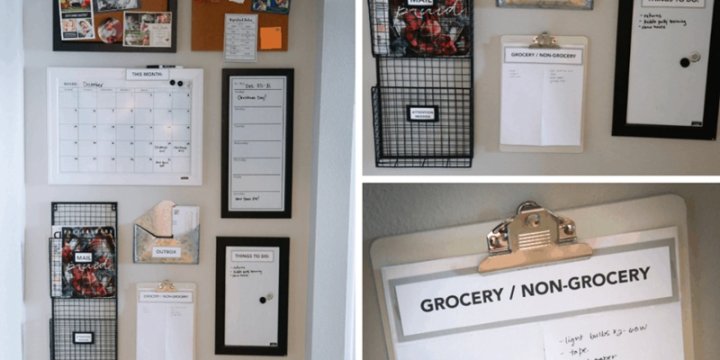
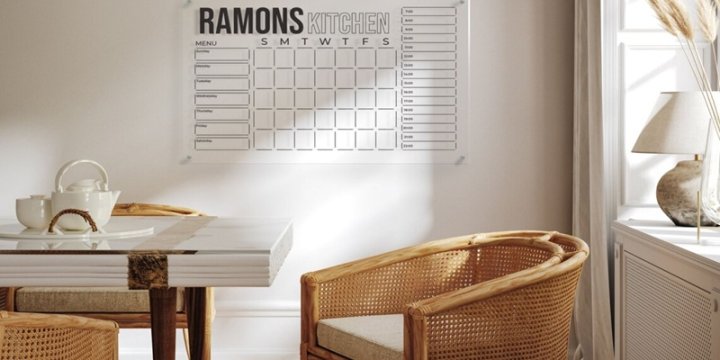
- A Large Calendar: This is non-negotiable. It should be big enough to see the whole month at a glance. It's where you'll track appointments, practices, school holidays, and social events.
- An "Action" Inbox: A designated spot for papers that require action: bills to pay, forms to sign, invitations to RSVP to. This is crucial for stopping paper clutter at the door.
- A Place for Keys: Simple hooks are perfect—no more frantic morning searches. Train everyone to hang their keys up the moment they walk in the door.
- A Writing Surface & Tools: Whether it's a whiteboard, chalkboard, or a simple notepad, you need a spot for quick notes, reminders, and additions to the grocery list. Keep pens, markers, and an eraser right there.
The Great Debate: Whiteboard vs. Chalkboard vs. Corkboard
The main visual surface of your command centre is a key decision. There's no single "best" option; it depends on your family's needs and style. Here's a breakdown to help you choose.
Component | Pros | Cons | Best For |
Whiteboard / Dry-Erase Board | Easy to write on and clean; versatile for lists, calendars, and notes; often magnetic. | Can get "ghosting" stains over time; markers dry out; can look a bit corporate. | Families with constantly changing schedules and a need for a central message board. |
Chalkboard | Aesthetically pleasing (farmhouse/rustic look); great for less-frequently changed info like weekly menus. | Chalk dust can be messy, harder to clean thoroughly, and writing may not be as clear. | Families who prioritise style and use the board for more static information. |
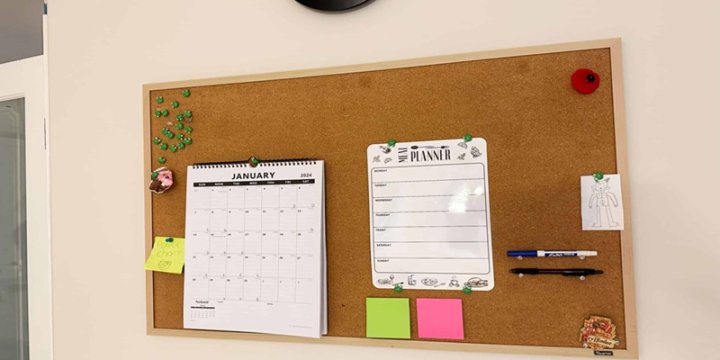
Corkboard / Pinboard | Excellent for pinning up papers, invitations, and kids' artwork; visually tracks physical items. | It can look cluttered quickly; repeated pinning can wear it out; it's not a writing surface. | Families with a lot of physical papers to manage, or those who want to display photos and art. |
My advice? A combination is often the ultimate solution. A magnetic whiteboard for scheduling and notes, with a small cork strip or board next to it for important papers, offers the best of both worlds.
Mail & Paper Management: Creating a System That Works
Paper is the number one enemy of an organised home. Your command centre is your first line of defence. Create a simple, three-step system:
- Sort Immediately: Stand over the recycling bin as you bring in the mail. Junk mail, flyers, and envelopes go straight in. No exceptions.
- Designate an "Action" Bin: This is for items you must deal with soon (bills, school forms). Use a single wall file or a specific tray.
- Designate a "To File" Bin: This is for important documents you need to keep long-term (statements, records). This can be a separate folder that you empty into your central filing system once a week.
The key is to handle each piece of paper only once. Touch it, decide its fate (recycle, action, or file), and put it in its place.
Should I Go Digital? Integrating Tech into Your Command Centre
In 2025, a purely analogue system might not be enough. The best approach for most families is a hybrid one that blends the physical and digital.
A shared digital calendar (like Google Calendar or Cozi) is fantastic for on-the-go updates and sending reminders to phones. However, an extensive physical calendar on the wall provides a crucial at-a-glance overview that a small phone screen can't replicate. Kids, especially, benefit from seeing the shape of the week laid out visually.
Hybrid Strategy: Use a shared digital calendar for all appointments. Once a week (I recommend Sunday), take 10 minutes to update the physical wall calendar from the digital one. This ensures both are in sync and everyone has visibility.
Customisation & Personalisation: Making It Yours
Once you have the foundation, it's time to make the command centre work for your unique family. This is where you go from a generic setup to a truly indispensable tool.
How to Create a Command Centre on a Budget
An effective command centre does not require a trip to a high-end container store. You can build a fantastic system for very little money.
- DIY Whiteboard: A simple picture frame with a white piece of paper behind the glass works perfectly as a small dry-erase board.
- Thrift Stores: Look for old frames, corkboards, and other interesting containers to repurpose.
- Dollar Store Finds: You can find small bins, pen holders, clips, and notepads.
- Use What You Have: Clipboards are excellent for holding meal plans or chore charts. Magazine files can be mounted to the wall to sort mail.
Tailoring Your Hub for Different Ages: From Toddlers to Teens
Your command centre should evolve as your children grow. A one-size-fits-all approach will fail as their needs for independence and information change.
Age Group | Key Command Centre Components | Goal |
Toddlers & Preschoolers | Picture-based chore charts; a low hook for their own jacket/bag; a clip to display their latest artwork. | Introduce routine and a sense of belonging. |
Elementary Schoolers | Weekly schedule with after-school activities; their own inbox for school papers; a checklist for morning/evening routines. | Foster responsibility and time management skills. |
Teenagers | A charging station for their devices; space for their own work/sports schedule; a spot for car keys and wallet. | Support independence while keeping them connected to the family hub. |
Getting Family Buy-In: How to Make Everyone Use It
You can build the world's most organised command centre, but it's useless if you're the only one who uses it. Getting your family on board is a process, not an announcement.
- Build it Together: Involve the kids in the setup. Let them choose a colour for their folder or decorate their own section. Ownership leads to usage.
- Lead by Example: Use it consistently yourself. When someone asks you about the schedule, walk them over to the command centre and look at it together. Say, "Let's check the command centre!" instead of just answering.
- Make it the Single Source of Truth: If it's not on the command centre calendar, it's not happening. This might feel strict at first, but it quickly trains everyone to rely on the system.
Long-Term Success: Maintenance & Upkeep
A command centre is like a garden; it requires regular tending to prevent it from being overgrown with clutter and outdated information.
The Sunday Reset: A 15-Minute Weekly Tidy-Up Routine
This is the most important habit for long-term success. Block out 15 minutes every Sunday evening to reset your command centre for the week ahead. It's a small investment with a huge payoff.
- Wipe the Slate Clean: Erase the calendar and whiteboard.
- Look Ahead: Fill in the calendar for the coming week, referencing your digital calendar.
- Clear the Inboxes: Process everything in the "Action" and "To File" bins. Pay the bills, sign the forms, file the papers. Start the week with empty containers.
- Restock Supplies: Make sure there are working pens, fresh notepads, and chalk or erasers.
How to Keep Your Command Centre From Becoming a Clutter Magnet
Clutter happens when items don't have a clear home or purpose. Your command centre should only house items that are active, current, or essential for the immediate future.
It is NOT a place for:
- Long-term storage.
- Old mail or expired coupons.
- Kids' schoolwork from three months ago.
- Anything that doesn't have a specific, designated spot.
Be ruthless. If an item has been sitting in the "Action" bin for more than a week, either deal with it or decide it's not essential. The goal is flow, not storage.
A Step-By-Step Guide To Setting Up Your Command Centre This Weekend
Ready to build it? Here's a simple, actionable plan you can follow.
- Friday Night (30 mins): Plan & Purge.
Choose your location based on traffic flow.
Measure the space you have.
Gather all the paper clutter from around your house (counters, tables) into one box.
Make a shopping list of the "Core Four" components you're missing.
- Saturday Morning (1-2 hours): Shop & Install.
Purchase or find the items on your list.
Install the main components: calendar, boards, mail sorters, and key hooks. Use a level!
- Saturday Afternoon (1 hour): Sort & Populate.
Go through the box of paper clutter you gathered. Sort into Recycle, Action, and File.
Populate the command centre: write initial events on the calendar, label your mail files, and put pens in the holder.
- Sunday Evening (30 mins): The Family Meeting.
Gather the family for a quick, 5-minute tour. Explain what each part is for.
Perform your first "Sunday Reset" together. Fill in the upcoming week's schedule so everyone can see it.
A family command centre is more than just an organisational project; it's an investment in a calmer, more connected family life. It replaces chaos with clarity and transforms a cluttered wall into the true heart of your home's daily operations. Start simple, be consistent, and adapt it as your family grows. You'll be amazed at the difference it makes.
If this guide helped you find more order in the beautiful chaos of family life, please consider sharing it with a friend who might need it too. A well-run home is a gift, and it's one worth sharing.